Upgrade Your Property Value with Artificial Grass Installation
Artificial Grass Installation: Revitalize Your Outdoor Space With Minimal Upkeep
Artificial lawn installation provides a practical solution for property owners who want a beautiful yard without the hassle of constant upkeep. This innovative option offers a range of benefits, from lower water usage to fewer pest concerns. Understanding the nuances of installation and maintenance can greatly enhance the value of a property. Yet, many people are curious about whether this investment is worthwhile over time. Reviewing the information can offer insight on this emerging trend.
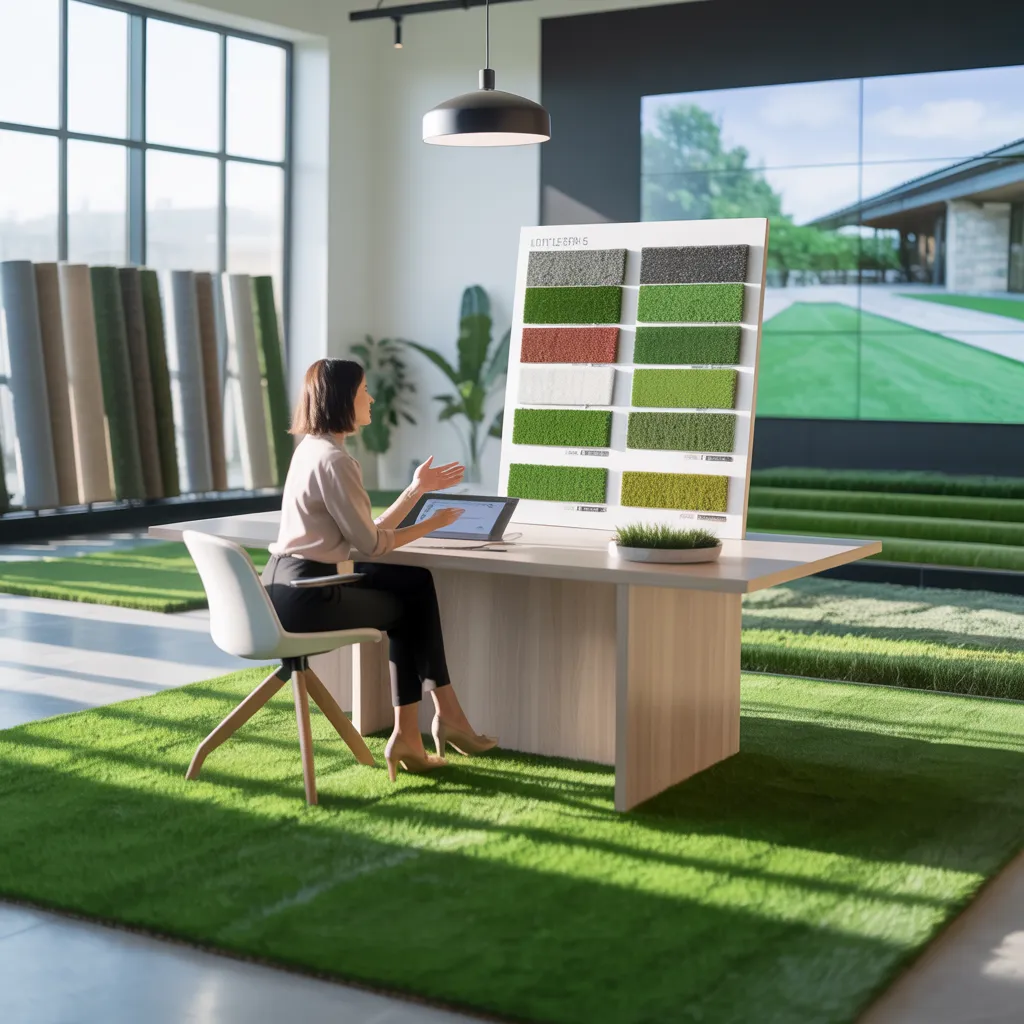
Fed Up with Lawn Upkeep? Discover Why Artificial Grass Is the Perfect Solution
Why spend countless hours on lawn upkeep when artificial grass offers a practical alternative? Numerous homeowners struggle with the challenges of maintaining natural grass, which includes regular mowing, watering, and fertilizing. These responsibilities not only take up precious time but also lead to higher water bills and environmental issues. Artificial turf provides a remedy that does away with the need for these demanding chores.
With advancements in technology, contemporary synthetic grass replicates the look and feel of natural grass, delivering an appealing outdoor space in every season. It endures diverse weather conditions without losing color or vitality, making it a reliable choice for any climate. Additionally, the installation of artificial grass can enhance the overall aesthetics of residential and commercial properties, providing a neat, polished appearance without the maintenance. As more individuals seek low-maintenance options, artificial grass emerges as a compelling choice for those tired of traditional lawn care.
The Top 5 Benefits of Opting for Artificial Turf
Although many homeowners look for low-maintenance landscaping options, the merits of artificial turf reach much further than basic convenience. First, artificial grass keeps a vibrant look throughout the year, removing the seasonal discoloration typical of natural grass. Furthermore, it substantially decreases water use, making it an environmentally conscious option, especially in regions susceptible to drought. Third, artificial turf is resistant to pests and weeds, decreasing the requirement for toxic pesticides and herbicides. What is more, it offers durability, standing up to heavy foot traffic without the wear and tear often seen with natural grass. To conclude, the installation of artificial turf has the potential to increase property value, providing a clean, attractive look that appeals to potential buyers. Combined, these merits make artificial turf a compelling and functional choice for homeowners looking to elevate their outdoor spaces.
Pick the Right Type of Artificial Grass
Selecting the correct kind of artificial grass entails multiple key elements that can considerably influence its performance and appearance. Considerations such as color, pile height, and weather resistance are crucial in arriving at a well-informed selection. Each factor plays a role in the overall aesthetic and functionality of the setup, making sure it satisfies particular needs and preferences.
Grass Stack Height Factors
When selecting artificial grass, one important consideration to keep in mind is the pile height, which can considerably influence both visual appeal and practicality. Pile height generally spans 1 inch to 2.5 inches, and the ideal selection depends on intended use and aesthetic preferences. Taller piles often create a lush, natural appearance but may demand greater care to remain erect. In contrast, shorter piles provide a sturdier foundation, perfect for high-traffic areas such as athletic courts or recreational areas. Moreover, environmental factors, such as regional climate and sunlight exposure, can affect how well different pile heights. At the conclusion of the day, selecting the appropriate pile height confirms that the artificial grass fulfills both decorative goals and everyday demands for any specific location.
Find The Right Color
How can the right color enhance the overall appeal of artificial grass? Choosing the right color for artificial grass plays a vital role in creating a natural appearance and harmonizing with the surrounding landscape. A wide range of tones, from bold greens to soft earth tones, gives homeowners the freedom to adjust their choice based on individual preference and surrounding conditions. To illustrate, pale greens can generate a crisp, seasonal feel, while richer tones may convey a more refined, full-bodied appearance. Moreover, the correct color choice can aid in controlling how sunlight is reflected, which can shape the overall mood of the outdoor environment. In the end, selecting the ideal color not only improves the visual appeal but also ensures that the artificial grass blends effortlessly into its surroundings.
Strength And Weather Protection
Durability and weather resistance are essential considerations when selecting the appropriate type of synthetic turf, as they directly impact its durability and overall effectiveness. Premium artificial grass is engineered to endure a wide range of weather conditions, including harsh sunlight, torrential rain, and extreme cold. In the process of selecting artificial lawn, materials such as polyethylene or polypropylene, known for their resilience should be prioritized. UV resistance is equally significant, as it guards against discoloration and deterioration caused by sun exposure. Moreover, a sturdy backing system boosts structural integrity and reduces wear with prolonged use. At the end of the day, opting for long-lasting, weather-resistant artificial grass provides a stunning, high-performing lawn that needs minimal care while effectively withstanding environmental conditions.
How to Set Up Your Yard for Artificial Grass Installation
Readying a yard for artificial turf installation requires a number of important steps. As a first step, it is vital to clear out any existing plants to start with a blank surface. Next, evening out the terrain delivers a level and consistent foundation for the new grass.
Clear Existing Vegetation
To secure a effective artificial grass installation, clearing existing vegetation is an indispensable first step. This process involves removing all grass, weeds, and other plants from the specified area. Effective removal guarantees that no organic matter disrupts the installation, stopping future growth that could damage the artificial grass. It is recommended to use tools such as a spade, sod cutter, or hoe to extract the vegetation effectively. After clearing, the area should be checked to ensure no remnants are present, as these can lead to poor drainage and uneven surfaces. Appropriate disposal of the cleared vegetation is equally important, contributing key information to a clean and prepared site for the scheduled installation of artificial grass.
Level The Ground
Once the existing vegetation has been cleared, the next step involves grading the ground to form a sturdy foundation for the artificial grass. This process commences by inspecting the area for any low spots or uneven terrain. By utilizing a rake or shovel, the homeowner should move soil around to obtain a uniform, flat surface. It is important to compact the soil to prevent future settling, which can result in inconsistent sections in the synthetic turf. A soil compactor can be utilized for this job. Furthermore, a slight slope should be maintained to promote effective drainage away from nearby structures. This careful leveling not only enhances the aesthetic appeal but also extends the lifespan of the artificial grass by avoiding water pooling and facilitating effective water drainage.
A Step-by-Step Guide for Artificial Grass Installation
Setting up synthetic turf can transform any outdoor space into a lush, green oasis with hardly any maintenance required. The first step entails measuring the area to determine the amount of turf needed. Next, the existing grass and debris must be cleared away, followed by leveling the ground to secure effective drainage. A base layer of gravel or crushed granite should then be distributed and compressed to provide a stable foundation.
Following this, a weed control fabric is laid down to block unwanted plant growth beneath the artificial turf. The fake grass is then carefully rolled out, guaranteeing it covers the area properly without overlaps. Perimeter edges are secured with landscape staples or adhesive, and seams are bonded using adhesive and tape for a seamless appearance. Finally, infill is applied to support the grass blades in an upright position, enhancing the overall look and feel. This methodical process ensures a successful and aesthetically pleasing installation.
Maintenance Recommendations for Your New Synthetic Lawn
Artificial lawns require regular maintenance to keep them looking great and lasting longer. Regular brushing is essential; a stiff-bristle broom can be used to lift the fibers and avoid matting. Waste materials like leaves and branches should be cleared away quickly to avoid discoloration and mold growth. When dealing with spills or stains, a gentle soap mixture may be used, followed by rinsing with water to prevent residue buildup.
Regular rinsing with a hose works to remove dirt and pet smells, ensuring a fresh look and scent. With frequent use, the infill may need to be topped up to preserve cushioning and stability. Additionally, examining for any wear or damage, such as tears or loose seams, enables prompt repairs, preserving the lawn's integrity.
Additionally, keeping sharp objects and high-heat sources away can help avoid unnecessary damage. By adhering to these care guidelines, homeowners can maintain a lush, easy-care lawn for many years ahead.
Is Artificial Turf Worth the Investment?
What factors help determine if artificial grass is truly a worthwhile investment? Evaluating the cost-benefit ratio is essential. At first glance, artificial grass can seem costly, as installation expenses frequently surpass those of natural grass. However, its long-term advantages can offset the initial outlay.
Artificial grass requires very little care, doing away with expenditures tied to mowing, watering, and fertilizing. This decrease in maintenance costs can result in substantial long-term savings. Moreover, the durability of artificial turf means it can last a minimum of 15 years, delivering lasting value through its extended lifespan.
Environmental considerations also play a role decreased water use is a persuasive element in regions susceptible to drought.
At the end of the day, the decision depends on individual circumstances, including budget, regional weather conditions, and personal preferences. Evaluating these aspects can assist homeowners in determining whether artificial grass is a prudent investment for their individual requirements.
Questions We Get Asked Often
Is Artificial Grass Safe for Pets?
Pets can use artificial grass safely, as it is toxin-free and commonly engineered to endure regular use. Proper drainage and regular cleaning guarantee hygiene, making it a smart solution for pet owners in search of hassle-free maintenance.
How Long Will Artificial Grass Last?
Synthetic turf usually endures for anywhere from 15 to 25 years, depending on factors such as quality, usage, and environmental conditions. Regular maintenance can further extend its lifespan, making it a lasting and visually pleasing solution for outdoor environments.
Is Artificial Grass Eco-Friendly?
Artificial grass is commonly viewed as somewhat detrimental to the environment owing to its fossil fuel-based composition and likely environmental concerns associated with creation and waste management. Nevertheless, it conserves water and limits the need for chemicals, offering advantages for specific environmental factors.
Is Synthetic Turf Able to Be Recycled?
Absolutely, artificial turf is recyclable, however the procedure differs among producer. Many companies have recycling initiatives, enabling users to send back old turf for repurposing, consequently decreasing landfill waste and promoting environmental sustainability.
What Takes Place During Harsh Weather Conditions?
Throughout extreme weather events, synthetic turf might suffer from temperature fluctuations, possible discoloration, or structural deformation. Heavy rainfall may result in drainage issues, while extreme heat may render the surface to feel excessively warm for individuals utilizing the area.